Consider How the Wildflowers Grow Retro Design Review
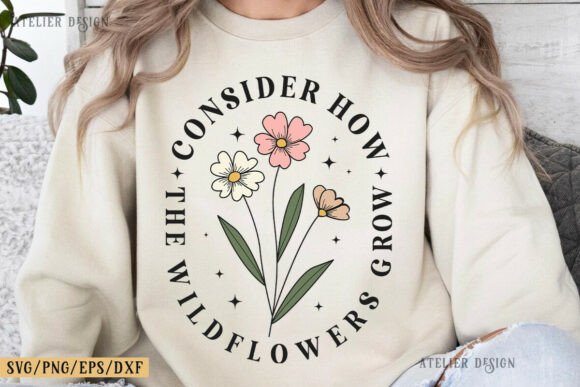
As an embroidery designer with years of hands-on experience, I’ve had my fair share of digital design files that looked great on screen but didn’t hold up under the needle. The Consider How the Wildflowers Grow Retro embroidery design is one of those rare finds that manages to balance aesthetic charm with practical functionality. It’s not just another floral pattern—it has a nostalgic, handcrafted feel that immediately sets it apart in the world of machine embroidery designs.
First Impressions and Visual Personality
When I first opened the SVG file for this design, I was struck by its soft, vintage-inspired composition. The wildflowers are arranged in a loose, natural formation, mimicking how they might appear growing along a country road or in a sun-drenched meadow. This organic layout gives it a warm and inviting mood—perfect for creating handmade products that evoke sentimentality and simplicity.
The detail level is just right. There’s enough texture in the petals and leaves to make the design visually engaging without being overly complex. The line work feels deliberate, almost like it was drawn with care before being translated into stitches. For crafters and small business owners looking to add a touch of nature to their T-Shirt Designs, this is a strong contender.
Layout and Theme Fit for Real Projects
I see this design fitting best into projects that lean into rustic, bohemian, or cottagecore aesthetics. Its retro vibe makes it ideal for sweatshirt embroidery, tote bag designs, or even nursery decor. Because the flowers aren’t too tightly packed, the layout allows for flexibility in placement. You could easily center it on a hoodie or run it along the edge of a pillow cover as a subtle border.
One thing I appreciate is that it doesn’t scream “embroidery.” Instead, it blends seamlessly into fabric, giving the finished product a more artisanal look. That kind of subtlety is gold when designing for handmade products or personalized gifts where the focus is on quality and intention rather than bold logos or graphics.
Real-World Performance: What Works and What Doesn’t
After testing the Consider How the Wildflowers Grow Retro design on several fabric types and garment styles, here’s what stood out:
- Custom Apparel: On a cotton sweatshirt, the design stitched cleanly with minimal distortion. The stitch density felt balanced, avoiding the common issue of overstuffing the machine with unnecessary fill stitches.
- Baby Clothes & Tote Bags: When applied to a lightweight muslin baby onesie and a canvas tote bag, the design maintained its integrity. However, I noticed that on stretchier fabrics like jersey knits, some parts of the wildflowers pulled slightly. A bit more stabilizer would be needed there.
- Patches & Caps: As an embroidered patch, this design looks elegant, especially when backed with a satin stitch. But for curved surfaces like caps or hats, you’ll need to adjust the layout carefully to prevent warping. The corners of the design also require attention if you plan to use them in areas with tight curves.
- Kitchen Towels & Pillow Covers: These are excellent candidates. The design adds a quiet elegance to everyday items, making them feel special. Customers tend to notice and appreciate such thoughtful touches, which can boost buyer engagement and perceived product value.
Overall, the design performs well across a range of mediums, but it’s important to remember that performance is highly dependent on fabric choice, hoop size, and thread color selection.
Where to Use It Carefully
While versatile, this design isn’t suited for every situation. Here are some considerations:
- Small Hoop Sizes: If you’re working with a tiny hoop (under 4 inches), consider scaling down the design or trimming sections. The full layout may become cramped or lose clarity.
- Textured or Stretchy Fabrics: On materials like flannel, corduroy, or spandex blends, the design may require additional stabilizer and careful stitch adjustment to avoid puckering or distortion.
- Thin or Dark Fabric: The visual impact of this design relies on contrast. Using it on black or dark-colored garments will require either white thread or a light background layer to ensure visibility.
- Products That Need Frequent Washing: For items like aprons or tea towels, test the design for durability. High-density areas might fray or pucker after multiple washes unless reinforced properly.
Design Impact and Business Value
From a creative entrepreneur’s perspective, this design adds a unique personality to any project. Whether you're selling custom apparel or crafting personalized gifts, the Consider How the Wildflowers Grow Retro offers a timeless appeal that resonates with customers who appreciate meaningful, nature-inspired details.
It also enhances brand consistency if your shop leans into eco-friendly or minimalist themes. The retro aspect gives it a vintage charm that Etsy sellers and boutique owners often seek to differentiate their offerings in a crowded market.
In terms of giftability, this design shines. Holiday gifts, wedding favors, or even birthday presents gain emotional weight when paired with a motif like this. The visual appeal is high, and the stitching clarity remains intact across most surfaces, which is key for maintaining professionalism in your finished product.
Designer Notes: Making It Work in Practice
If you're planning to use this design in real projects, here are some tips from personal experience:
- Test on Scrap Fabric First: Especially if you're using it for commercial embroidery or digital embroidery file sales, always stitch a sample. This helps identify potential issues with stitch density or thread coverage.
- Check Thread Color Contrast: Choose colors that stand out against your chosen fabric. For dark backgrounds, white or light pastel threads are recommended to preserve visibility.
- Review Stitch Density: Dense fill areas can cause stiffness or damage to delicate fabrics. Adjust settings based on your machine and material.
- Confirm Hoop Size: Make sure your hoop can accommodate the full design. If not, consider breaking it into sections or using a different format.
- Inspect Small Details: While the overall layout is forgiving, the finer elements like flower centers or stems should be reviewed for stitch accuracy and visibility.
- Test in Black and White Mockups: This will help you evaluate how the design holds up without color bias. It’s a good way to assess form and flow objectively.
- Use Proper Stabilizer: Especially on thin or stretchy materials. A tear-away or cut-away stabilizer can save you from headaches later.
- Compare Light and Dark Backgrounds: Some designs look great on white but struggle on darker shades. Do both tests to ensure versatility.
- Check Licensing Before Selling: Since this is a digital product, always confirm whether the license allows for resale or commercial use. This is essential for Etsy sellers and digital product sellers.
Final Thoughts on Project Integration
For hobbyists and craft business owners, the Consider How the Wildflowers Grow Retro design is a solid addition to your library of embroidery files. It brings a sense of warmth and nostalgia that's hard to replicate with other modern patterns. But don’t take my word for it—try it yourself on a few printable mockups or actual fabric samples before launching into production.
Its ability to elevate simple items like tea towels or pillow covers into something memorable is a big plus. Just keep in mind that success lies in the details—like choosing the right fabric, thread, and stabilizer. With the right approach, this design can become a signature element in your small shop product lineup or personal collection of design assets.
Ultimately, it’s a design that respects the craft of embroidery while delivering on style and usability. Whether you're a seasoned embroidery designer or a new handmade shop owner, it’s worth considering for your next project.