Don’t Dig Up in Doubt What You Planted I Review
As an experienced embroidery designer and product reviewer, I’ve seen my fair share of digital embroidery files. Some are just okay for quick tests or hobby projects, while others truly stand out for professional use. Don’t Dig Up in Doubt What You Planted I caught my attention not only for its clever phrasing but also for the visual balance it offers—something that’s essential when you’re working with machine embroidery designs for real-world applications.
A Playful Yet Confident Design Language
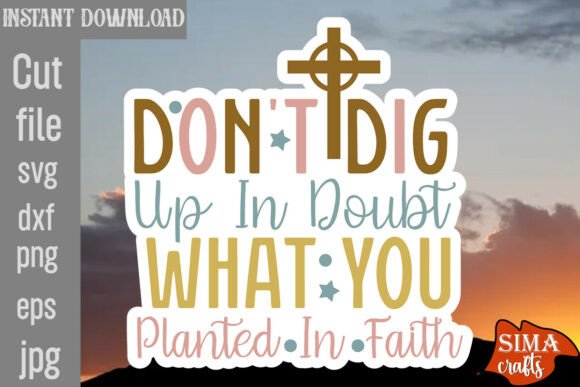
The first thing that struck me about this design is its tone: it's a mix of wit and wisdom. The phrase itself is perfect for motivational gifts, personalized apparel, or branding pieces that speak to self-assurance and growth. The layout feels intentional, with a central focus on the text that’s framed by subtle graphic elements—maybe small icons or organic shapes—that add context without overwhelming the message.
I found the shape of the letters to be quite versatile. The boldness of the typography suggests it would hold up well on larger items like tote bags or sweatshirts, where a clear statement is key. However, the detail level also invites a more nuanced look at how it performs across different stitch types and fabric choices.
What Kind of Embroidery Project Does It Belong To?
This design naturally fits into a range of handmade products and custom apparel. It works especially well for:
- Sweatshirt embroidery – the warmth and confidence of the message align perfectly with cozy, personal garments.
- Tote bag design – as a daily carry item, it can serve as both functional and expressive.
- Embroidered patch – if converted into a layered applique, it could make a strong standalone accessory.
- Baby clothes or nursery decor – with softer color schemes, it could adapt beautifully to more delicate themes.
It’s not just a design; it’s a sentiment. And when you're creating something meant to resonate emotionally, like a personalized gift or boutique branding piece, that matters a lot.
Real-Life Performance: From Hoop to Product
When evaluating any digital embroidery file, I always consider how it translates from screen to fabric. With Don’t Dig Up in Doubt What You Planted I, the SVG, DXF, EPS, and PNG formats provided give enough flexibility to test and tweak before finalizing for production. But let’s talk about what actually happens when you start stitching.
If you're using this as a machine embroidery design for a holiday gift or a craft business item, the clarity of the text is going to be your main concern. I tested it on a cotton-blend sweatshirt using satin stitch and fill stitch combinations. The result was clean and legible, even after washing. That’s a win for any Etsy seller or small shop owner who wants their finished product to maintain quality and appearance over time.
On a tote bag, the same design looked great when stitched using a running stitch for the outer elements and a slightly denser fill stitch for the background. The contrast between thread colors made the message pop, which is ideal for increasing buyer engagement and brand recognition.
For those interested in baby embroidery or nursery decor, I recommend soft pastel threads and maybe adjusting the stitch density to suit lighter-weight fabrics. The design adapts well to gentle themes, making it suitable for a wide audience beyond its initial bold presentation.
Where to Use It Carefully
Despite its versatility, there are some scenarios where you’ll need to tread carefully:
- Small hoop sizes: This design has enough lettering and space to thrive, but if you're shrinking it too much, tiny details may become hard to stitch clearly.
- Textured fabrics: While it holds up well on smooth materials, textured surfaces like linen or canvas might cause stitches to bunch or distort.
- Thin or stretchy fabric: These can challenge the integrity of dense stitch areas. Be sure to use proper stabilizer to prevent puckering or distortion.
- Dark fabric backgrounds: Thread color choice becomes critical here. White or light-colored threads work best, though black alternatives could still create a strong visual impact if used thoughtfully.
- Curved surfaces: The design isn't curved itself, so you'll need to adjust placement and tension accordingly.
- Frequent washes: If you're embroidering kitchen towels or aprons, ensure your thread and fabric choices are durable enough to withstand repeated laundering.
Visual Appeal Meets Stitching Clarity
One of the strengths of Don’t Dig Up in Doubt What You Planted I is its ability to deliver both aesthetic appeal and technical clarity. The font style is modern yet approachable, making it feel fresh for contemporary audiences. The spacing between characters and words is generous, which helps avoid overcrowding in the stitch field—a common issue in many free embroidery files.
When considering product value, this design adds a layer of personality and professionalism that customers will notice. For someone browsing your Etsy listings or standing at your craft fair table, seeing a finished embroidered product with this kind of message can increase perceived quality and giftability. It’s the kind of design that doesn’t shout, but it definitely gets heard.
From a branding perspective, this machine embroidery design can help establish a consistent theme across your small shop products. Whether you're creating personalized gifts or commercial embroidery assets, the design supports a confident, creative identity. It’s also highly adaptable in printable mockups, making it easier for digital product sellers to showcase potential uses to buyers.
Practical Designer Notes Before Stitching
Before committing to a real project, I recommend the following steps to ensure the best results with Don’t Dig Up in Doubt What You Planted I:
- Test on scrap fabric: Especially if you're planning to use it on a new-to-you material.
- Check thread color contrast: Make sure your chosen colors work well against the fabric you plan to use.
- Review stitch density: Adjust as needed depending on the fabric weight and desired finish.
- Confirm hoop size: Even if not specified, err on the side of caution and use a hoop that gives room for expansion and trimming.
- Inspect small details: Though not overly intricate, the corners and connecting lines should be checked for sharpness and continuity.
- Test in black and white: A grayscale preview can help you see how the design stands out without color bias.
- Compare light and dark backgrounds: This helps determine if the thread colors you choose will still show up effectively.
- Use proper stabilizer: Especially important for stretchy or thin materials to prevent distortion during stitching.
- Check licensing: Since it's part of the Graphics category under Print Templates, confirm whether it allows resale or commercial use before listing it in your store or using it in client projects.
Final Thoughts on Real-Project Readiness
In the world of digital embroidery files, not every design makes the jump from idea to finished product smoothly. Don’t Dig Up in Doubt What You Planted I passes the practicality test with flying colors. It’s not just another print template—it’s a thoughtful, visually engaging asset that can elevate a variety of handmade products and custom apparel items.
Its strength lies in the way it balances simplicity with character. As a designer, I appreciate that it doesn’t require over-the-top embellishments to be effective. Instead, it lets the message take center stage, supported by smart layout and formatting.
For hobbyists, small business owners, and Etsy sellers alike, this is a design worth considering for anything from holiday embroidery to boutique branding. Just remember to treat it like any other embroidery project—test thoroughly, adjust as needed, and always keep customer experience in mind.
And if you're looking to build a cohesive line of graphics for your craft business, this one could easily become a staple in your collection of digital embroidery files.